Auckland Hospital Central Plant and Tunnel
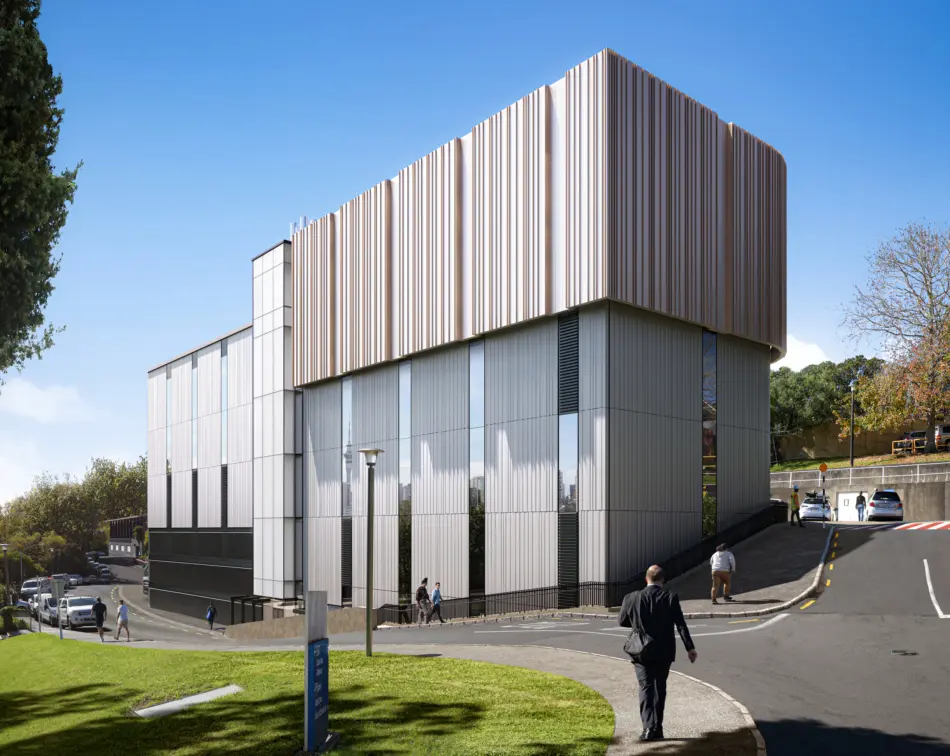
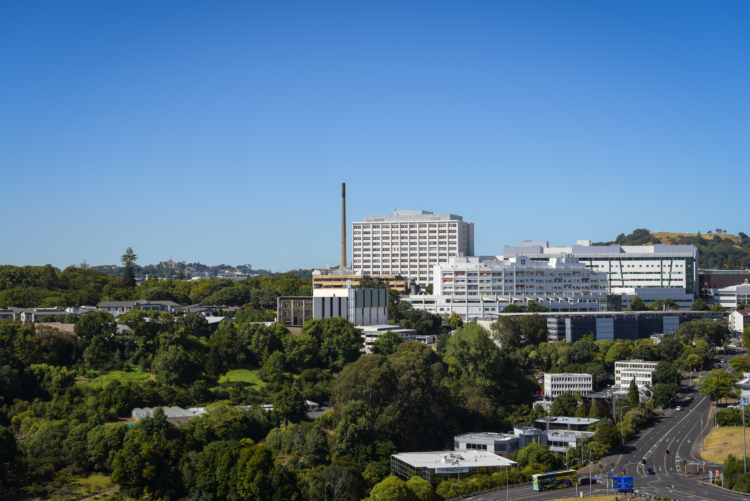
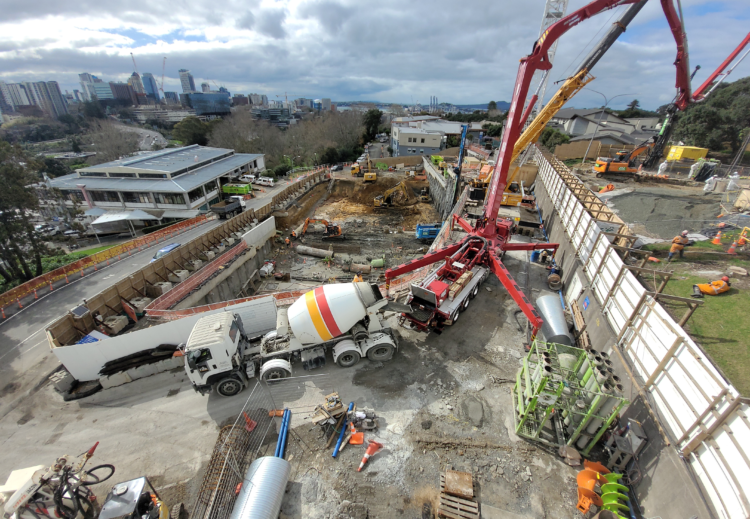
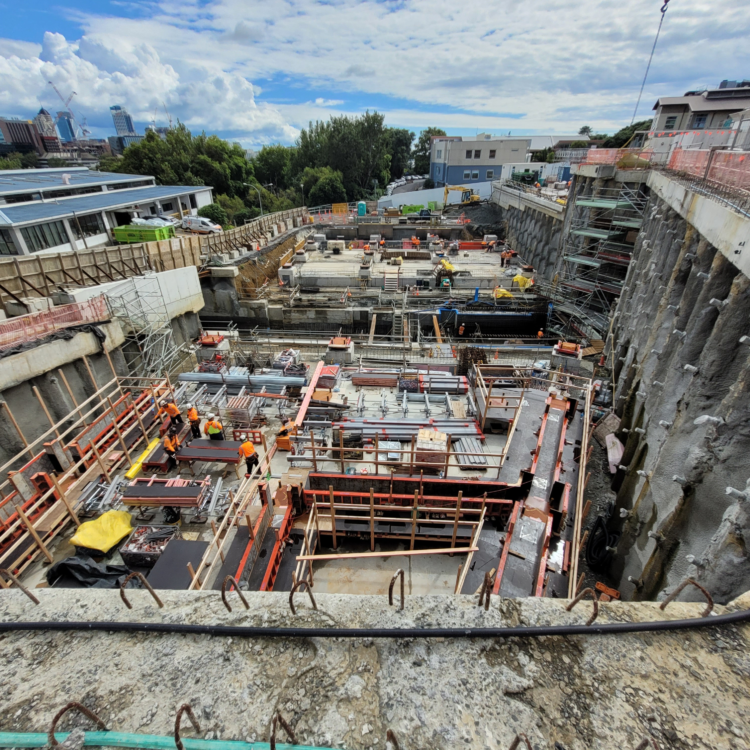
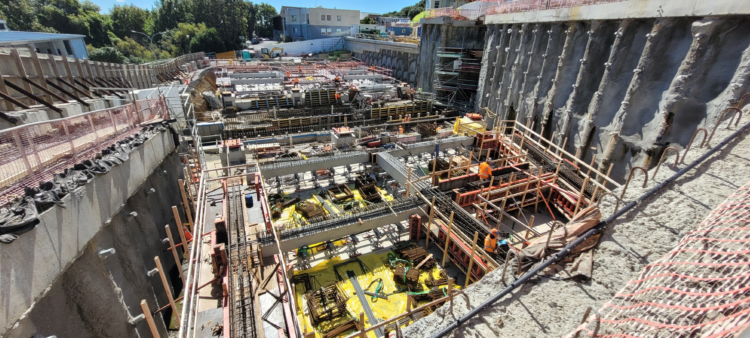
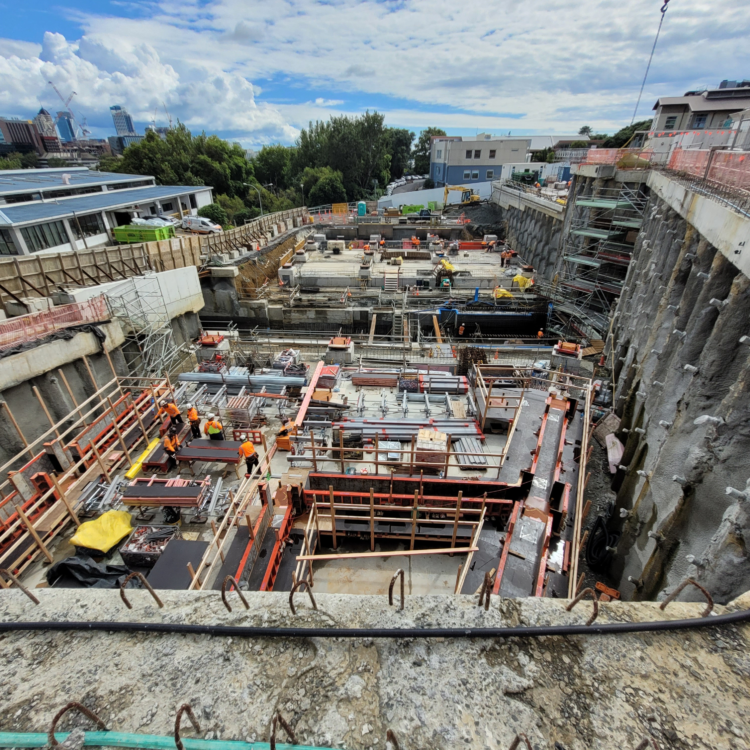
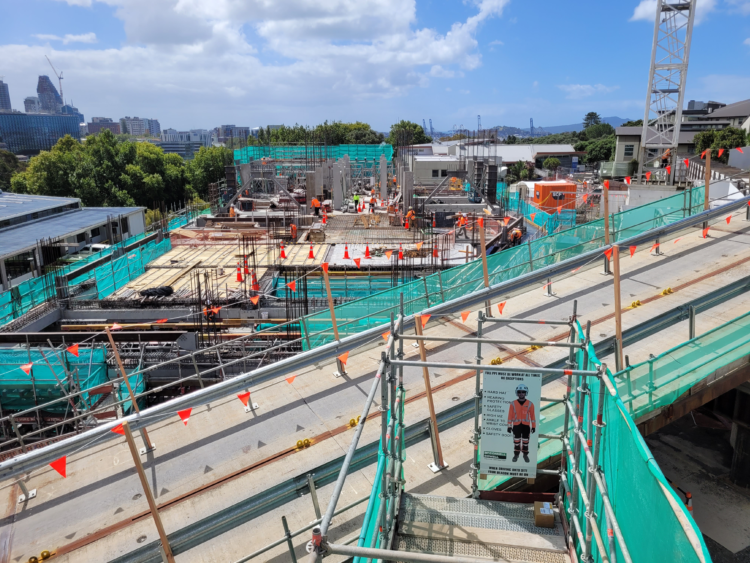
The Central Plant Building (A40) and 210m services tunnel project at Auckland Hospital delivers critical infrastructure designed to support uninterrupted hospital operations, both now and into the future. Engineered for a 100-year lifespan, the base-isolated facility is built to withstand seismic events and natural disasters, ensuring the resilience of essential services.
The fully integrated below-ground services tunnel connects key hospital buildings, providing secure and continuous distribution of power, medical gases, and mechanical systems. Together, this network safeguards vital infrastructure, maintains clinical continuity during emergencies, and future-proofs the campus for increased data, energy, and healthcare demands.
Project requirements
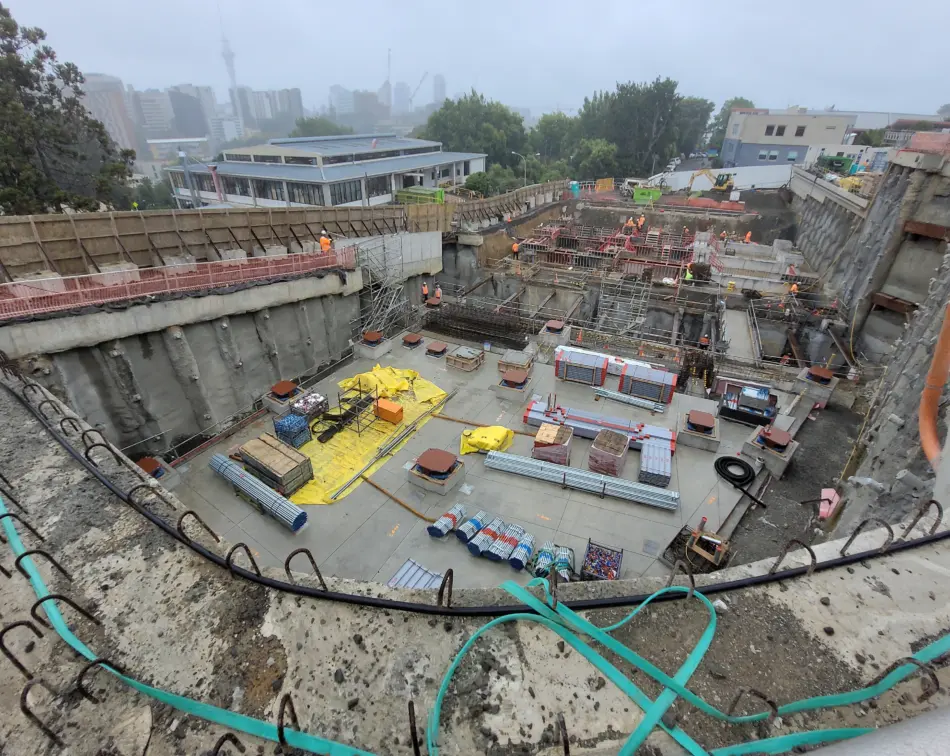
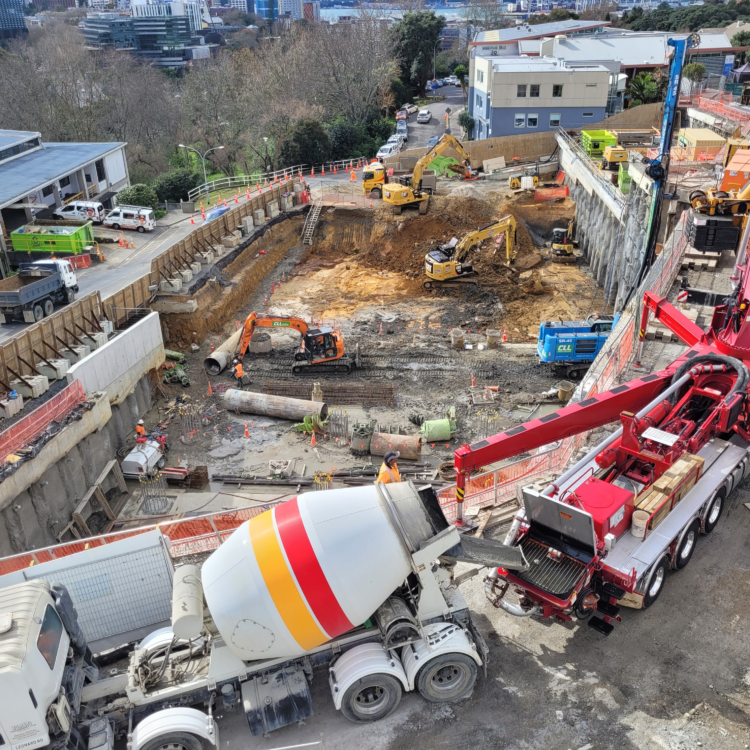
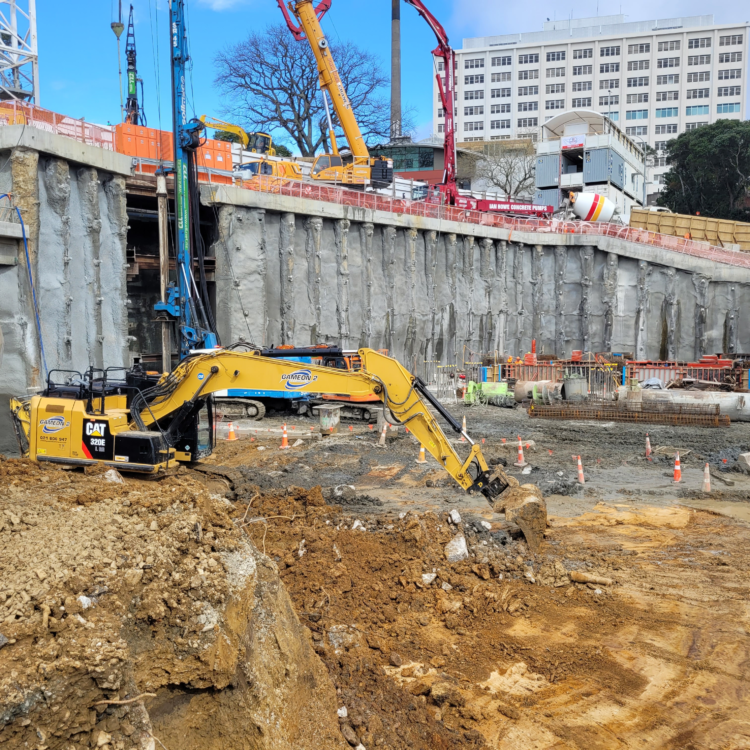
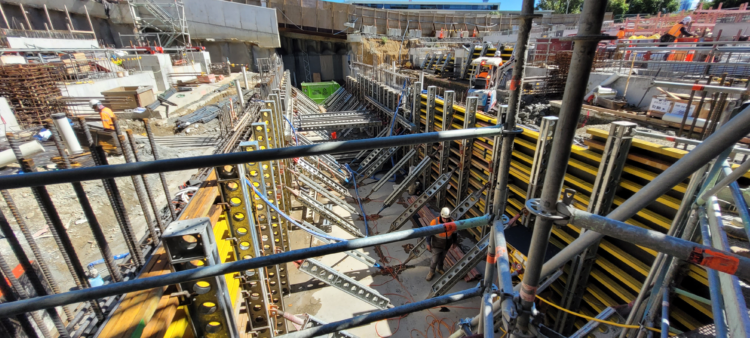
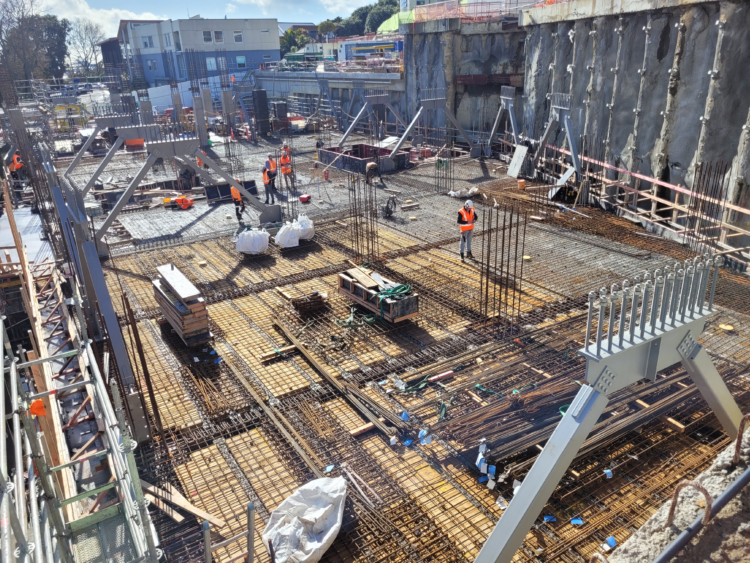
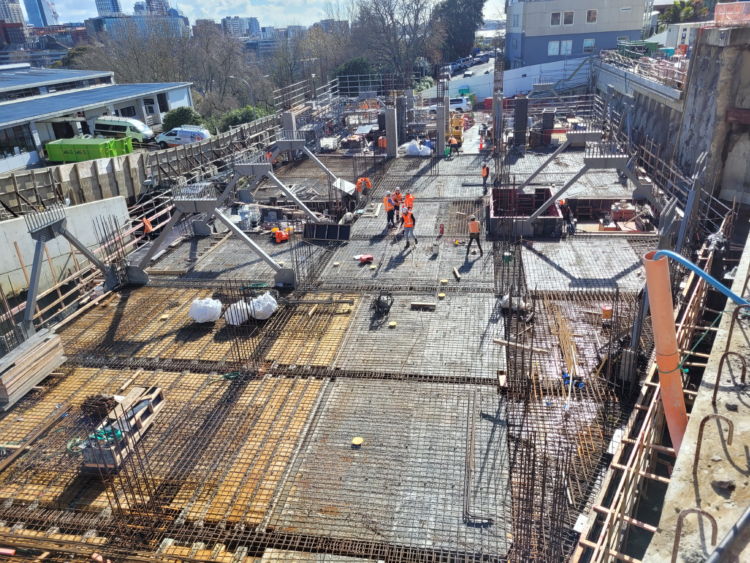
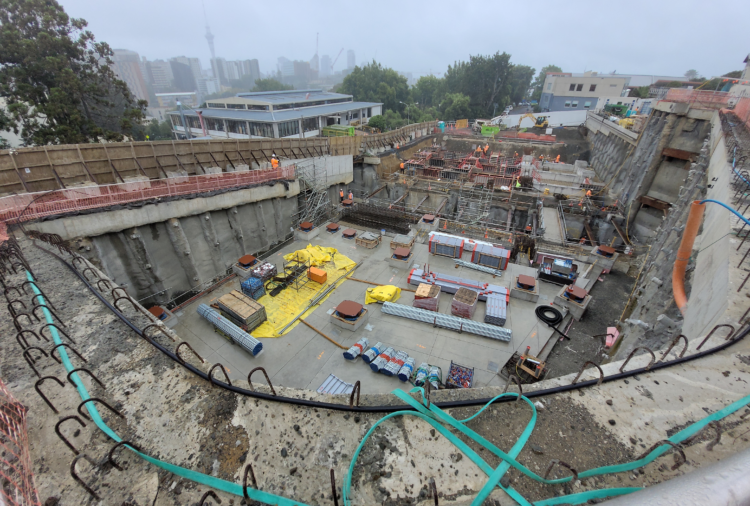
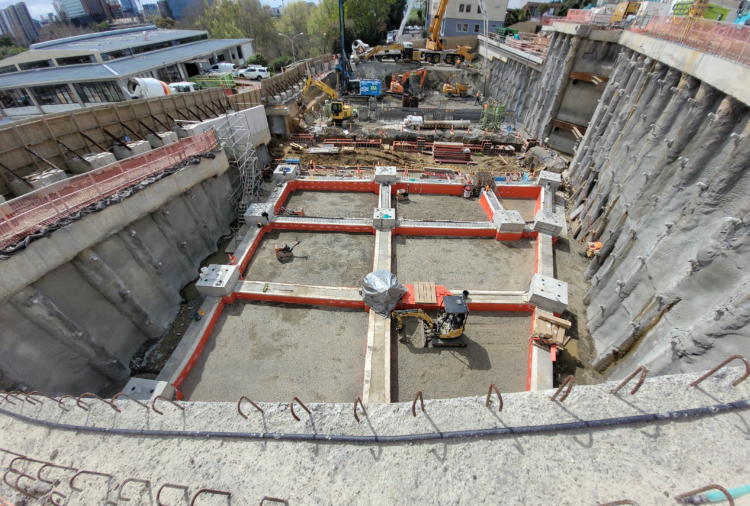
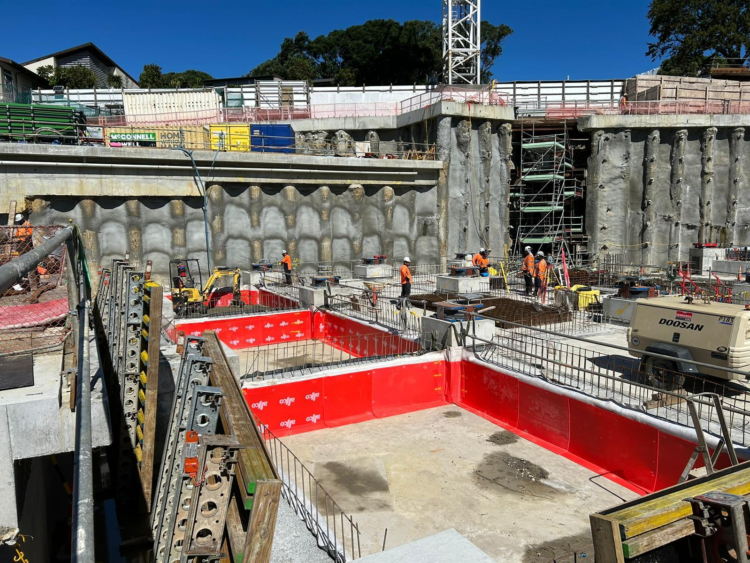
The Auckland Hospital required full waterproofing encapsulation of a new services building basement and tunnel. Designed to achieve a 100-year service life, the main structure incorporates seismic base isolation and a Grade 3 basement, making long-term durability and performance critical.
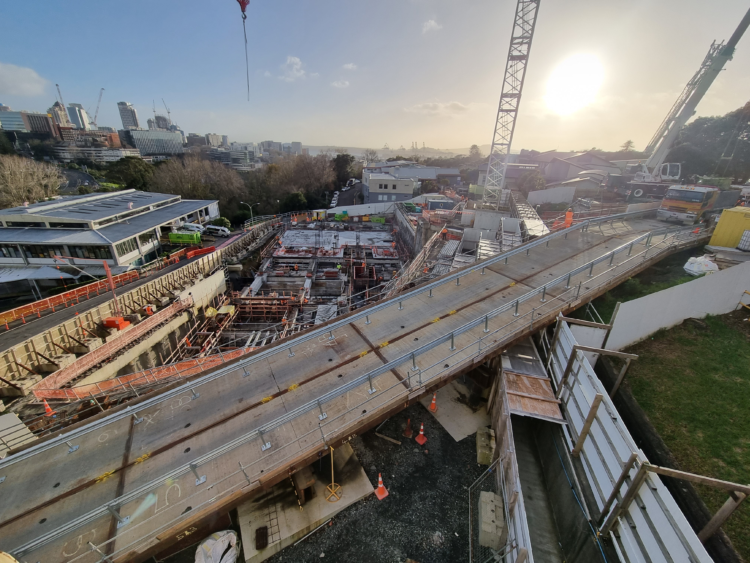
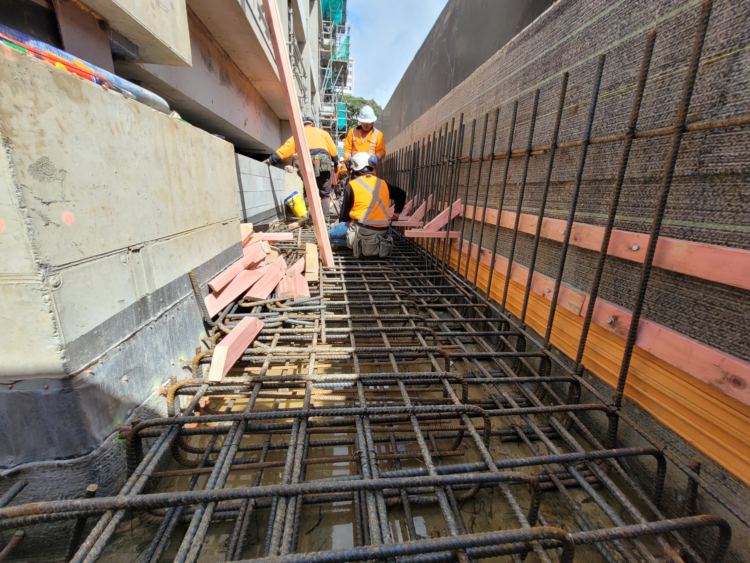
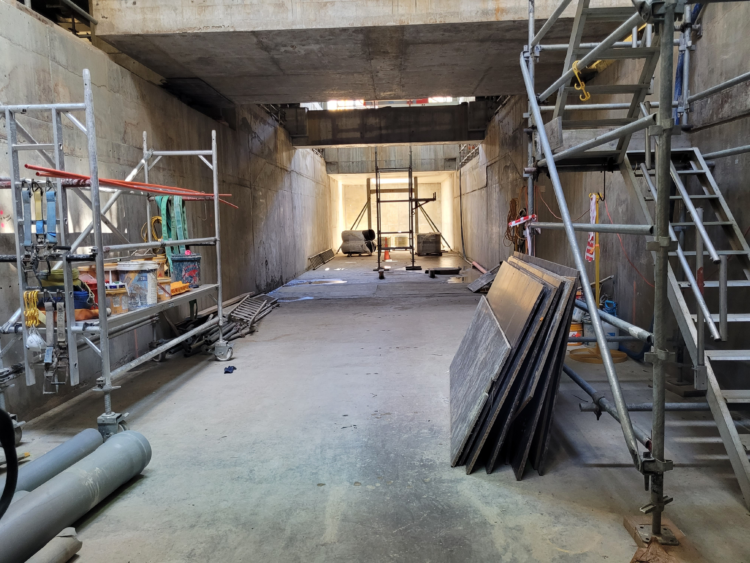
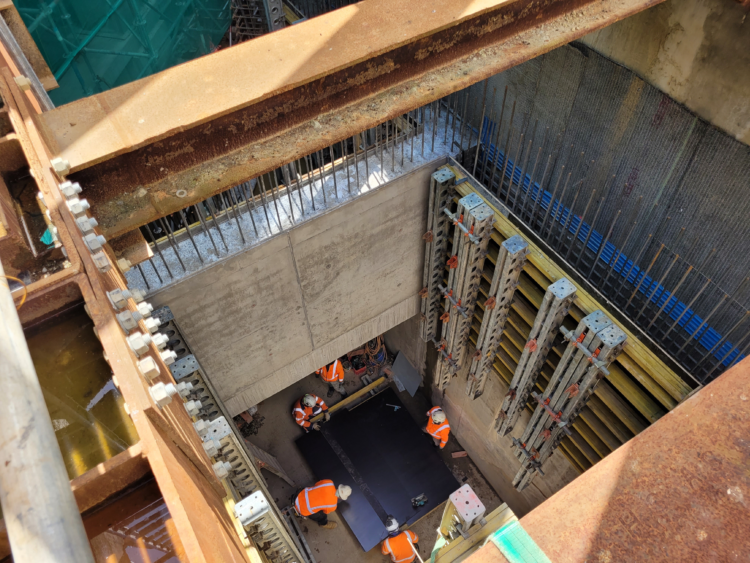
An additional component was a 210m service tunnel with a 3.5–4 metre internal diameter, connecting two key hospital buildings. The tunnel also includes 18m deep pile foundations and seismic base isolation, engineered to meet the same 100-year design life requirements.
CHALLENGES
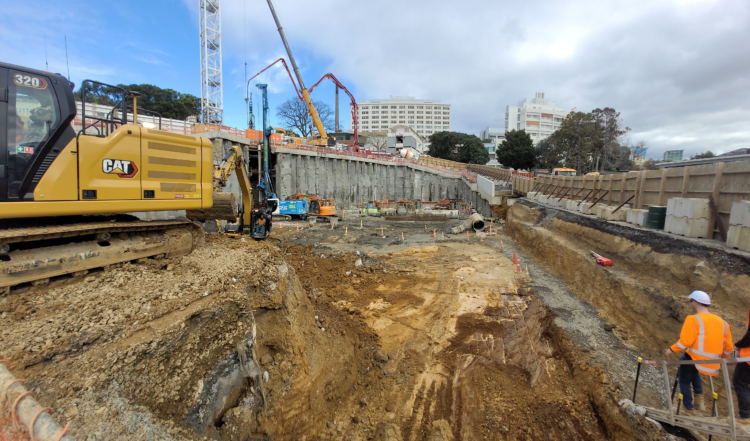
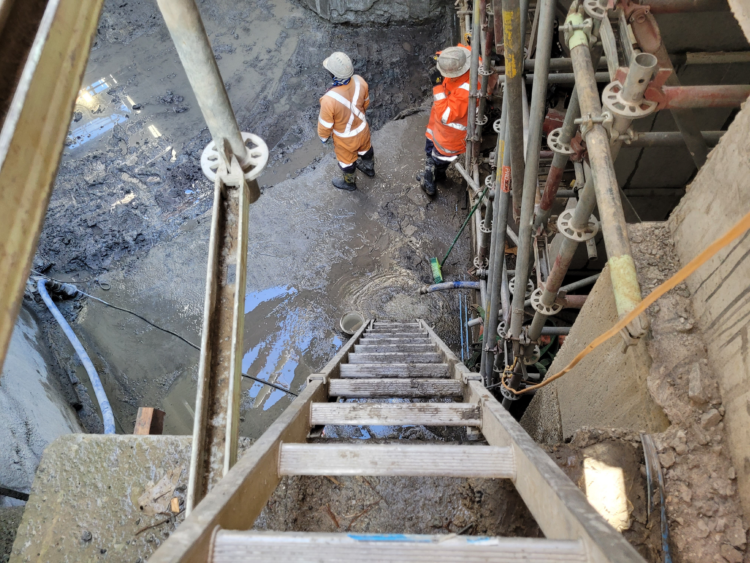
A major challenge was the unprecedented rain events of summer 2023, which occurred during the critical below-ground construction stage. The tunnel floor and walls became fully submerged during the deluge, requiring more than 750,000 litres of water to be pumped out before works could resume.
Allco Solution
To meet the project demands, a comprehensive waterproofing system covering approximately 4,200 m² was implemented:
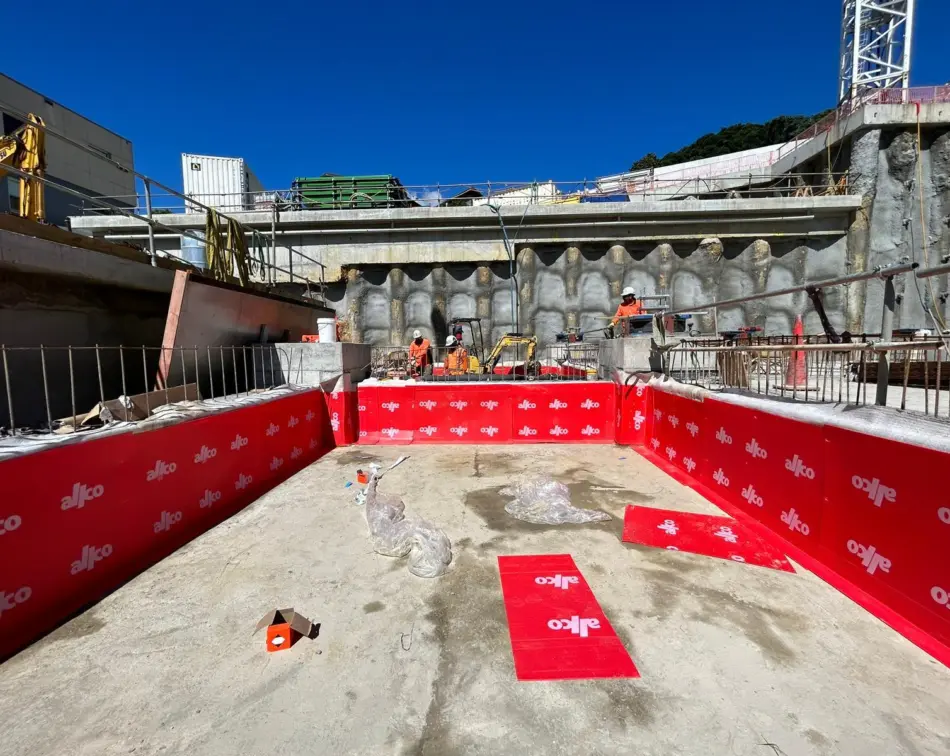
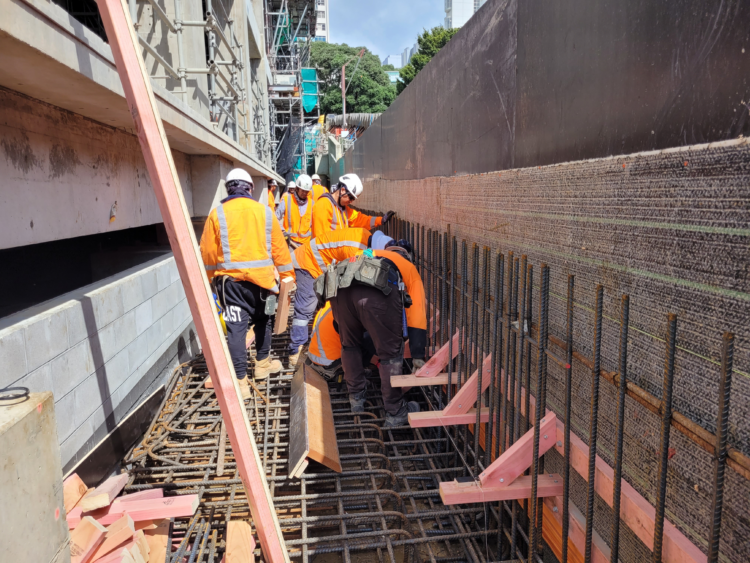
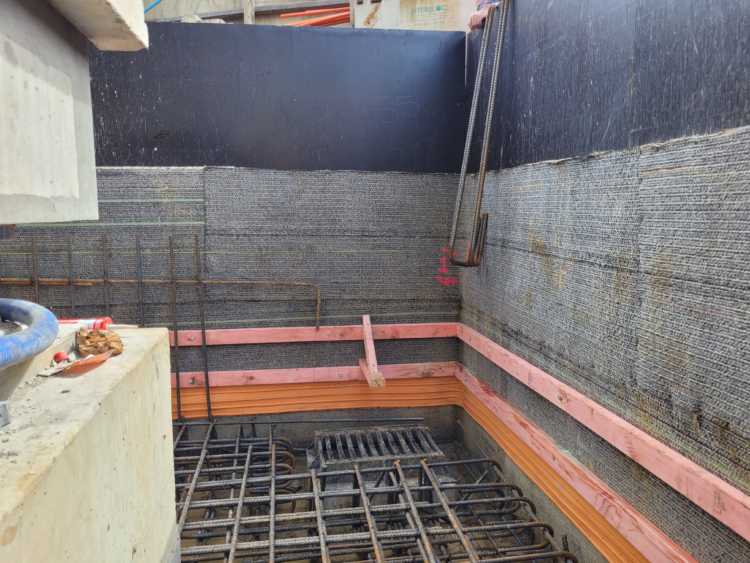
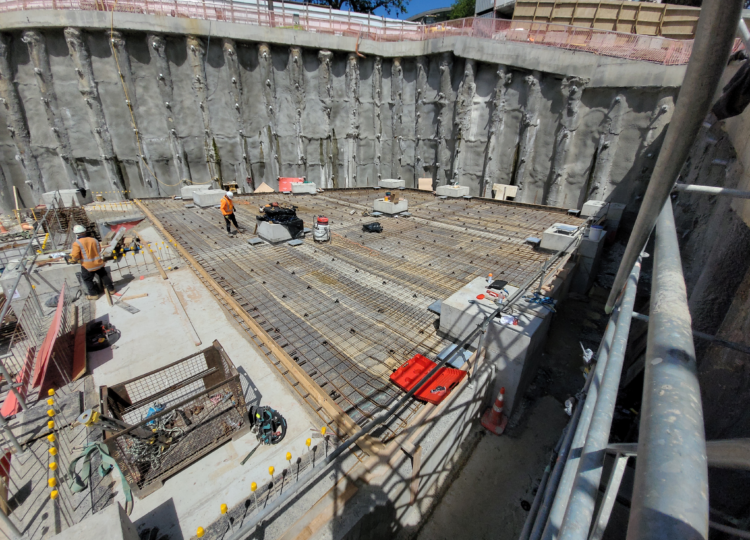
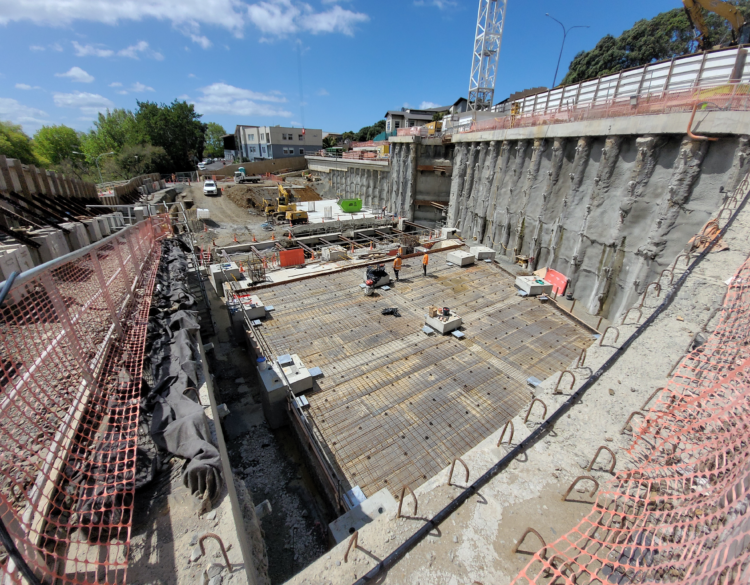
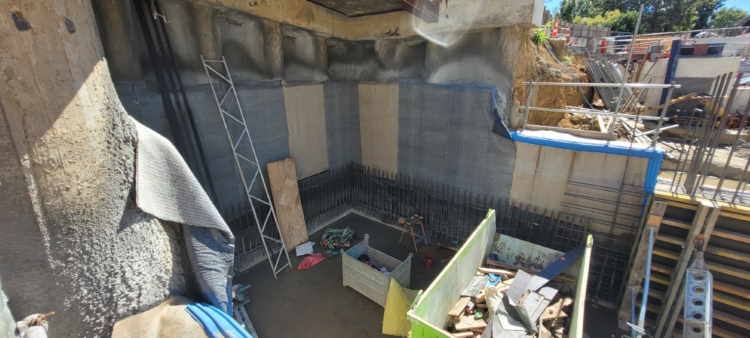
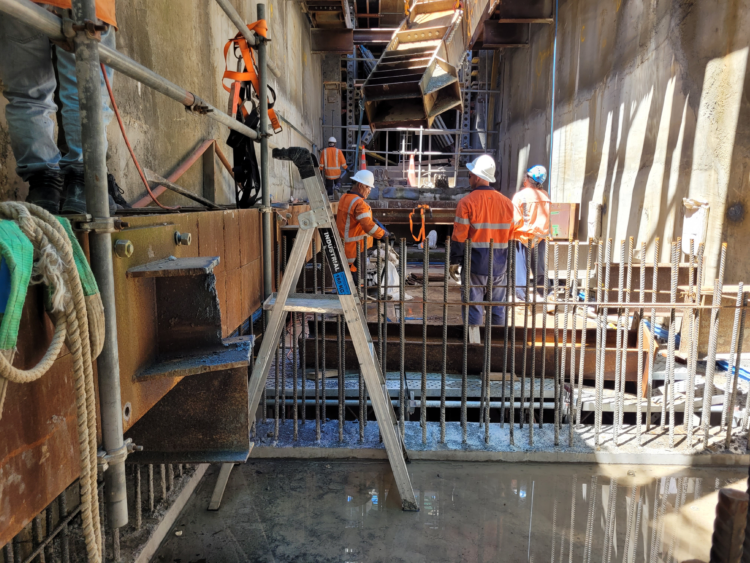
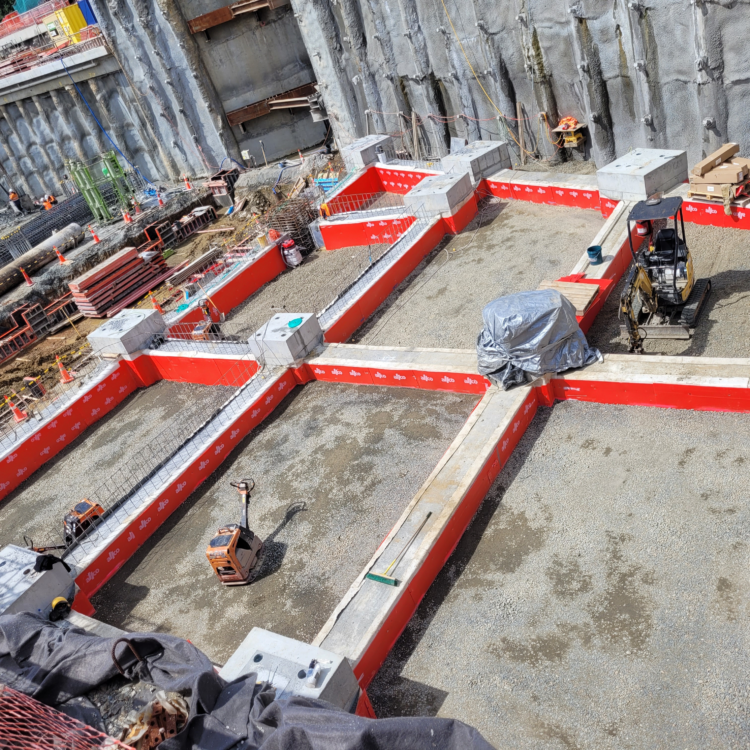
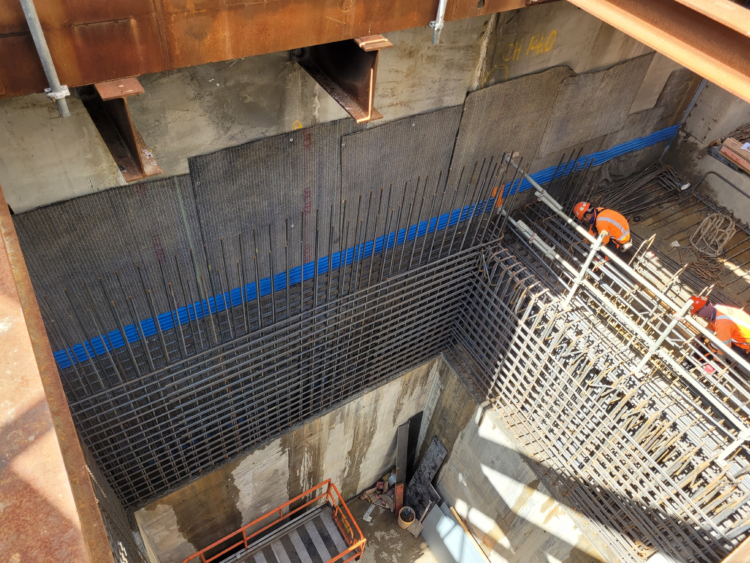
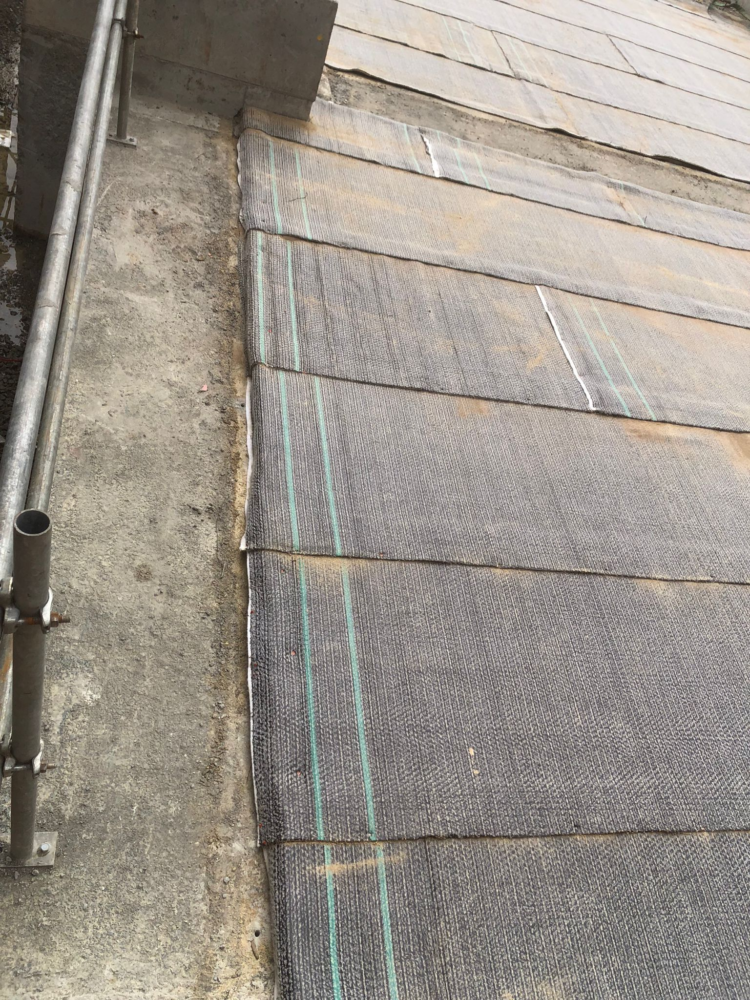
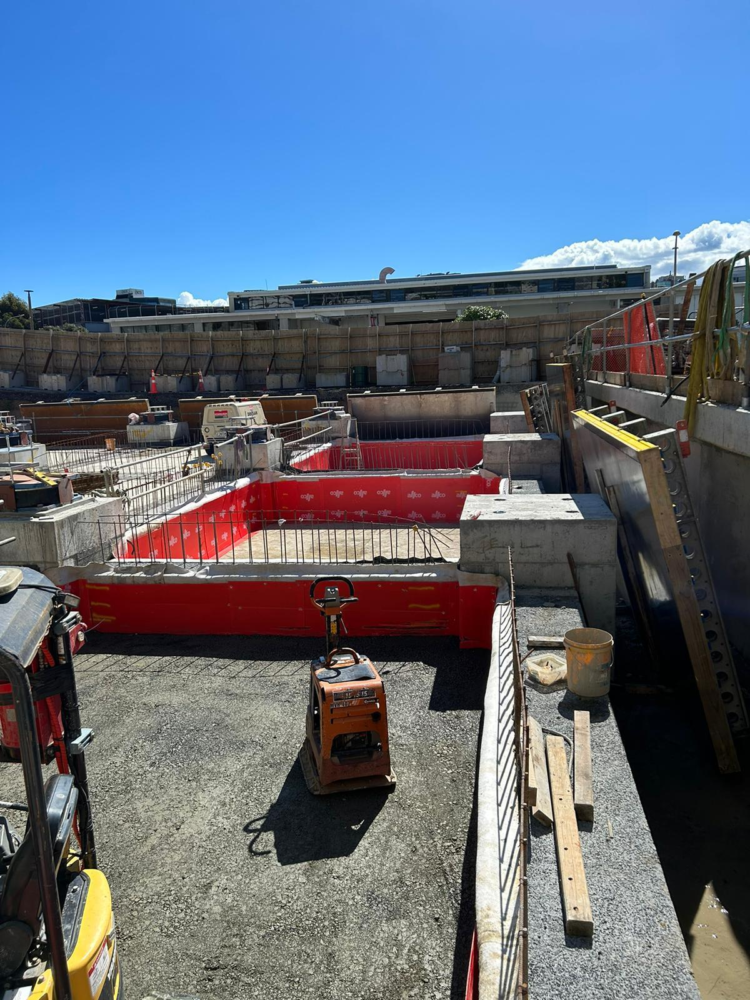
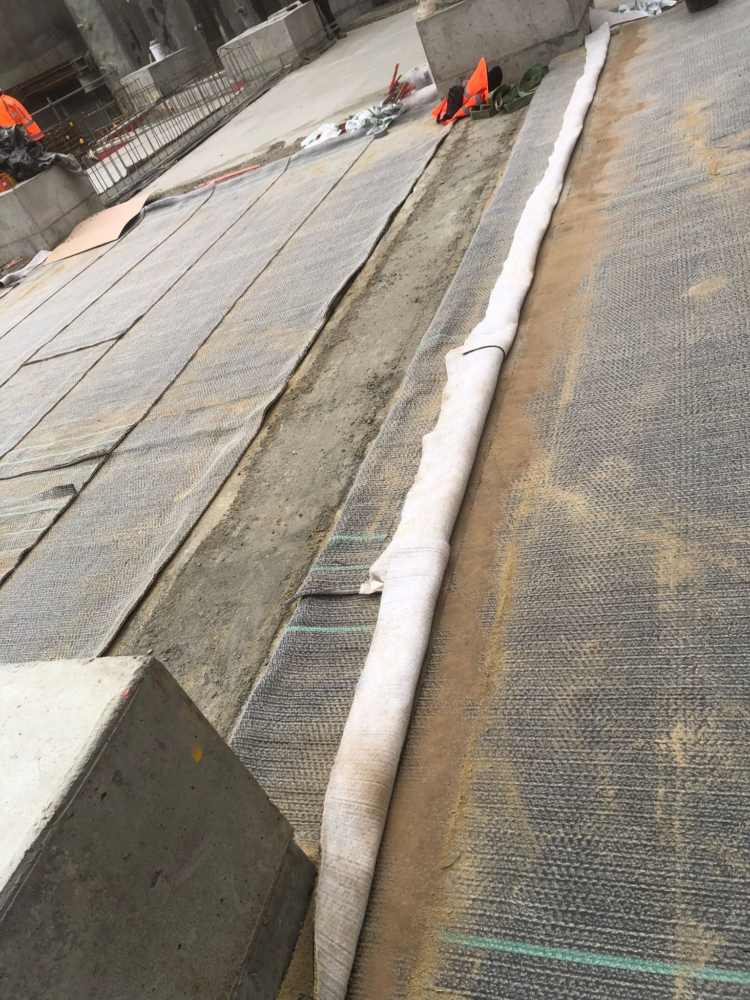
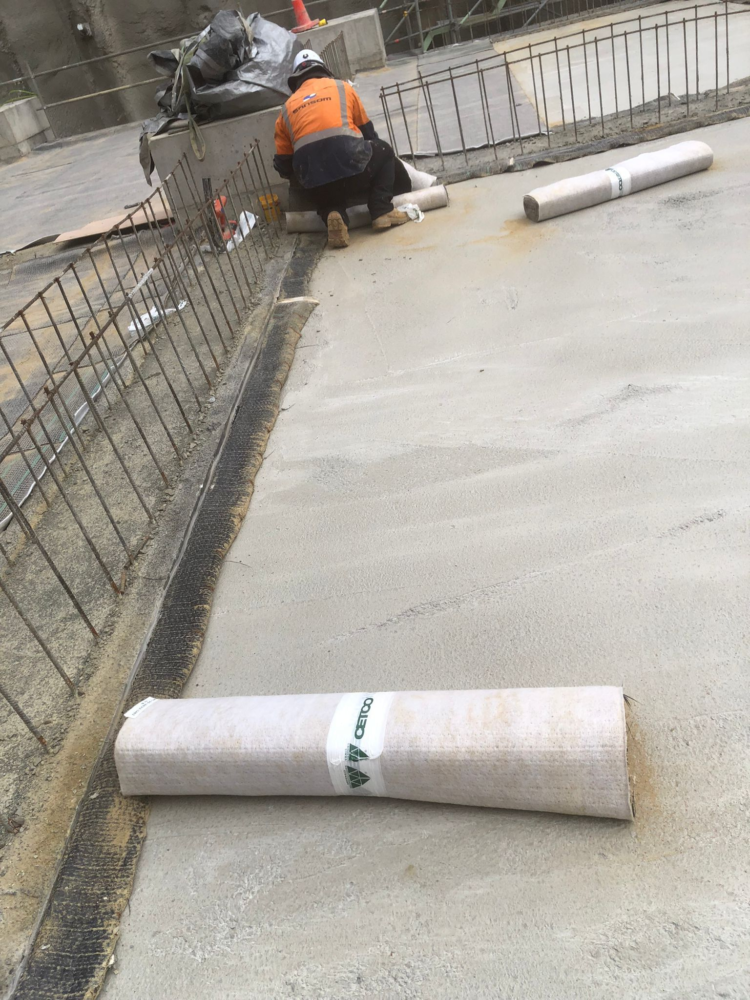
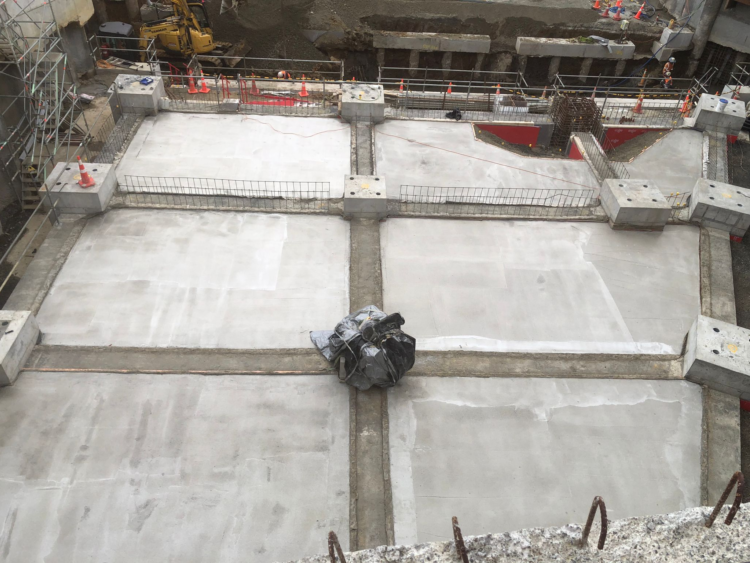
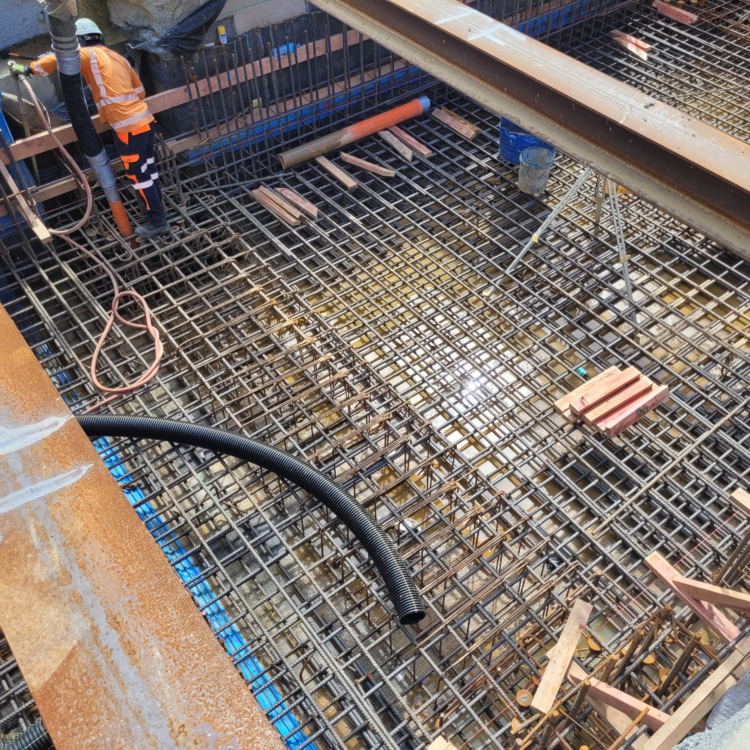
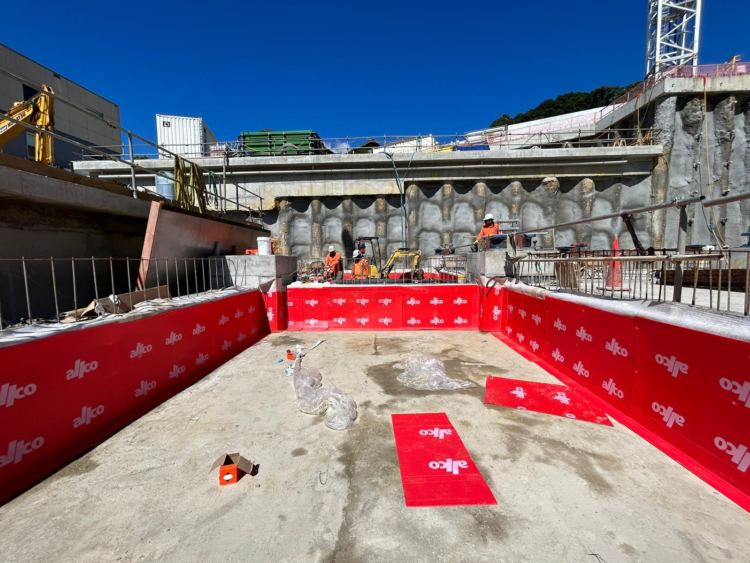
Basement: Ground beams were waterproofed with Volclay Voltex at the base, with Waterstop RX installed at pile caps and Volclay Swelltite post-applied to vertical faces. The underslab and rattle slab were fully tanked using Swelltite and Voltex, with Waterstop RX installed at all cold joints, including beams and penetrations.
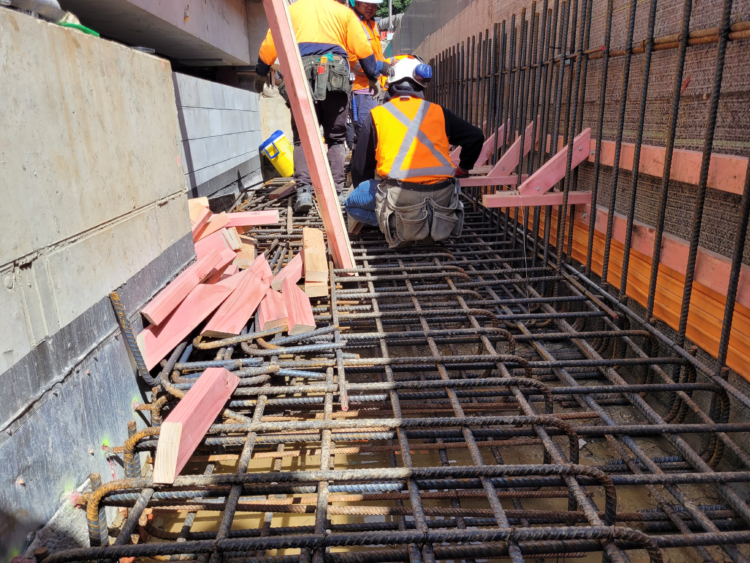
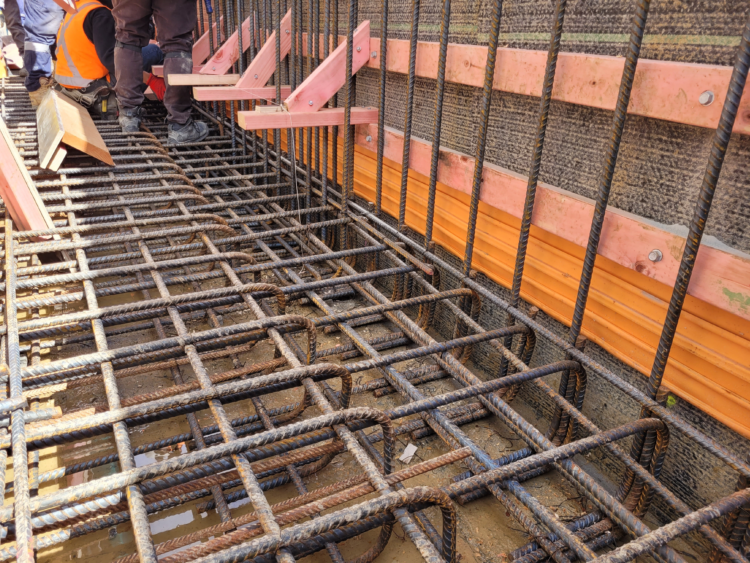
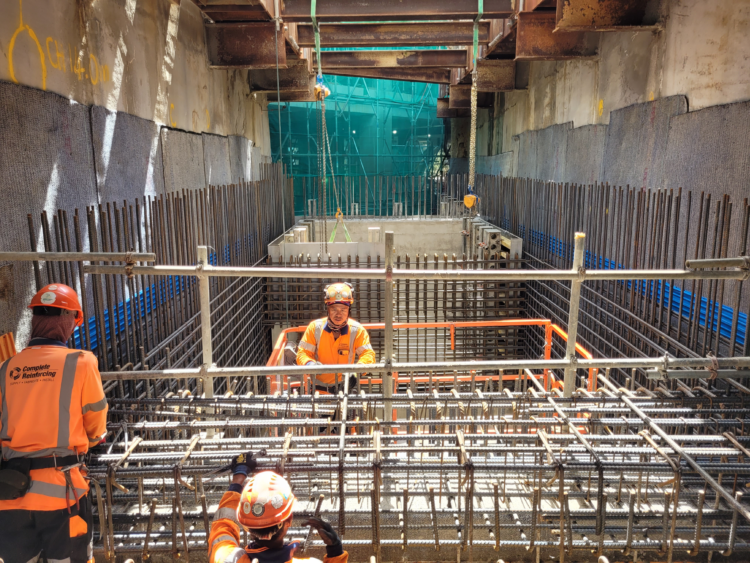
Service Tunnel: Voltex DS was installed under the slab and extended up the walls, including a centre guard detail along the wall line. Waterstop RX was applied to pile caps, with full sidewall and roof waterproofing completed as part of the system build-up.
EXECUTION AND OUTCOMES
An essential component to the success of this project was the resilience and durability of the membranes when exposed to extreme weather conditions. Applicators Sansom and Senior Technical Advisor Adrian Crow visited the site as soon as possible after the rain events.
Approximately 750,000 litres of water were pumped out before a full assessment could be undertaken. Following drainage, water was identified behind sections of the wall membrane, requiring controlled release and localised patching but no membrane loss occurred, and full replacement was not required. Bentonite granules were applied to support the performance of the hydrated Waterstop RX. While additional care was required during subsequent concrete placement, the integrity of the Waterstop system remained intact, with no replacement necessary, highlighting the exceptional resilience of Allco’s Volclay tanking systems under extreme conditions.
The Auckland Hospital Central Plant and Tunnel project highlights the reliability of the Volclay range under extreme site conditions, enabling the build to get back on track with minimal disruption and avoiding the cost and delay of full membrane replacement. The completed waterproofing solution delivered long-term protection, resilience, and compliance with the project’s stringent design and performance criteria.
What our customers say










Copyright © 2026 AllCo. All rights reserved. Website by Run Wild Studio.